


 Send Inquiry
Quartz Grains
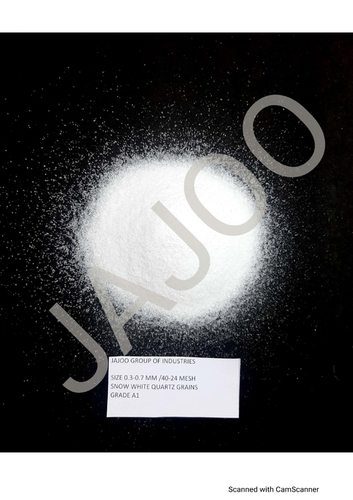

Quartz Grains Specification
- Water Absorption
- 1%
- Surface Finish
- Smooth
- Melting Point
- ~1710C
- Application
- Steel, glass, foundry, and ceramic industries
- Purity(%)
- 98%
- Density
- ~2.6 2.7 Gram per cubic centimeter(g/cm3)
- Product Type
- Mineral Refractories
- Types of Refractories
- Basic Refractory
- Shape
- Powder
- Strength
- High compressive and mechanical strength
- Color
- White
Quartz Grains Trade Information
- Minimum Order Quantity
- 27 Tons
- FOB Port
- JAIPUR
- Supply Ability
- 10000 Tons Per Day
- Delivery Time
- 3-4 Days
- Sample Policy
- Sample costs shipping and taxes has to be paid by the buyer
- Packaging Details
- Exports Packaging
- Main Domestic Market
- All India
- Certifications
- ISO, Moody Rated
About Quartz Grains
By producing and exporting Quartz Grains of the highest quality, we have significantly increased our knowledge and proficiency in this area. Our talented professionals create these grains using premium resources that they get from approved vendors in the industry. The grains in our product line are renowned for their unmatched qualities, including longevity, insolubility in water, and top-notch quality. Our trained crew rigorously tests the quartz grains we supply against a number of quality standards in order to provide the highest quality possible.
Premium Quality for Industrial Applications
Our highly pure (98%) white quartz grains are meticulously processed to deliver outstanding compressive and mechanical strength. Their smooth finish and precise shape in powder form ensure uniformity in manufacturing processes and efficiency in applications across the steel, glass, ceramics, and foundry industries.
Versatile and Reliable Material
Engineered to meet demanding standards, these basic refractory quartz grains offer low water absorption and a high melting point, supporting resilience and stability in high-temperature environments. As a key supplier in India, we cater to varied industrial needs by maintaining strict quality control at every stage.
FAQs of Quartz Grains:
Q: How are white quartz grains used in the steel and foundry industries?
A: White quartz grains serve as a refractory raw material in the steel and foundry sectors. Their high compressive and mechanical strength, along with low water absorption and a melting point of around 1710C, make them ideal for withstanding the intense heat and mechanical stresses encountered during metal casting and steel production processes.Q: What benefits do quartz grains with 98% purity offer to glass and ceramic manufacturers?
A: Quartz grains with 98% purity ensure minimal contamination, resulting in clearer, higher-quality glass and durable ceramics. Their smooth surface and consistent granularity support precise ingredient blending and uniform melting, which are essential for optimal finished product quality.Q: When should basic refractory quartz grains be chosen over other types for industrial applications?
A: Basic refractory quartz grains are best selected when high resistance to heat and mechanical pressure is necessary, and when minimal reactivity with slags or melts is required, as in the production of steel, glass, and ceramics. Their reliable performance at temperatures up to 1710C makes them a preferred choice for these demanding settings.Q: Where do you distribute and export your quartz grains from?
A: We operate as a manufacturer, exporter, distributor, supplier, and trader based in India. Our distribution network ensures timely delivery of quartz grains to both domestic clients and international partners in regions requiring quality refractory materials.Q: What is the refining process for achieving high purity in quartz grains?
A: The refining process involves careful selection of raw quartz, followed by rigorous washing, crushing, and grinding to produce a uniform powder. Advanced techniques are used to eliminate impurities and attain a 98% purity, resulting in superior performance for industrial uses.Q: How does the low water absorption of quartz grains benefit foundry operations?
A: With water absorption at just 1%, the quartz grains reduce the risk of steam-related defects and spalling during the casting process. This enhances mold stability, improves finished product integrity, and minimizes waste in foundry operations.Price 2000 INR/ Ton
- Minimum Order Quantity
- 27 Tons
- Supply Ability
- 10000 Tons Per Day
- Delivery Time
- 3-4 Days
- Main Domestic Market
- All India
 Get Latest Price
Tell us about your requirement

Price:
Quantity
Select Unit
- 50
- 100
- 200
- 250
- 500
- 1000+
Additional detail
Mobile number
Email

More Products in Quartz Powder Category
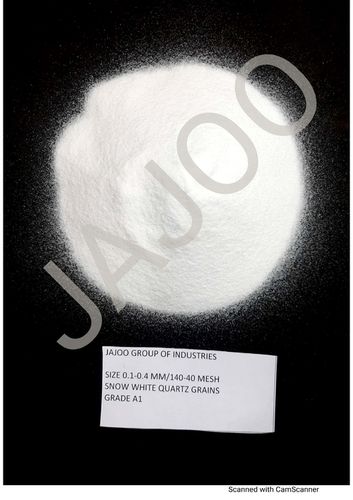
Snow White Quartz Grains
Price 2000 INR / Ton
Minimum Order Quantity : 30 Tons
Water Absorption : 1%
Surface Finish : Smooth
Shape : Powder
Types of Refractories : Other, Acidic
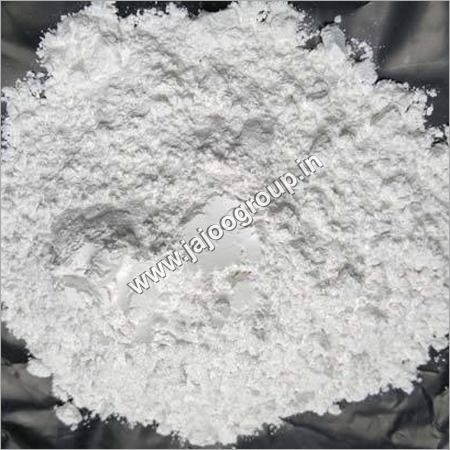
Quartz Powder
Price 1000 INR / Ton
Minimum Order Quantity : 27 Tons
Water Absorption : 1%
Surface Finish : Smooth
Shape : Powder
Types of Refractories : Basic Refractory
Quartz Silica Powder
Price 1000 INR / Ton
Minimum Order Quantity : 27 Tons
Water Absorption : 1%
Surface Finish : Smooth
Shape : Powder
Types of Refractories : Basic Refractory

JAJOO GROUP'S
All Rights Reserved.(Terms of Use)
Developed and Managed by Infocom Network Private Limited.
Developed and Managed by Infocom Network Private Limited.

